Safe Kitchens: Preventing Hazards for Humans and Pets
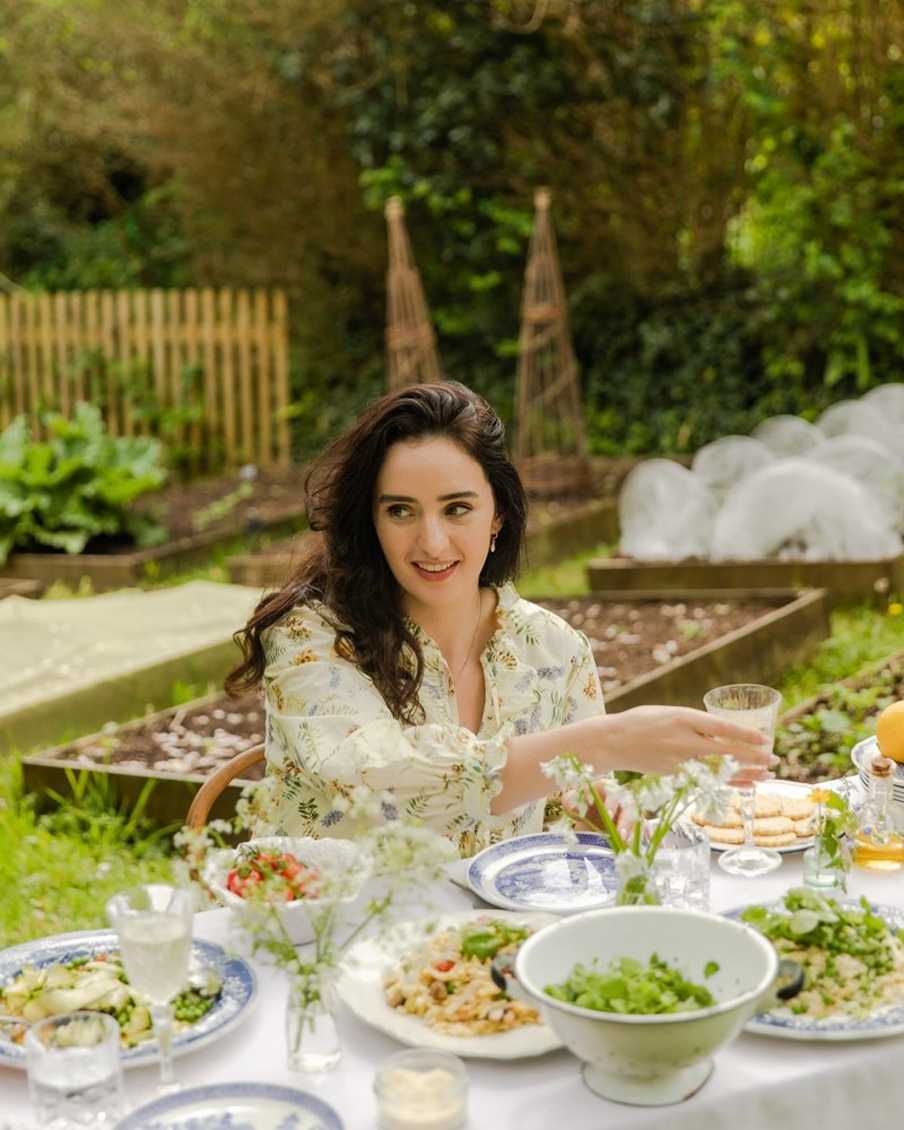
If you like to cook and eat (and everyone does!), here are some simple tips to keep all beings safe in the kitchen, including four-legged friends. Obviously follow general common sense too (turn pot handles inwards while cooking, avoid floating sleeves and tie long hair back). Keep tea towels away from open flames and children/pets away from kettles and trailing wires (such as slow cookers on counters).
- Use safety gates for children/pets, keep a first aid kit/extinguisher nearby, and keep emergency numbers to hand.
- Use quality sharp kitchen knives (with secure handles), store in blocks and learn how to chop food safely (store scissors and graters in drawers).
Before recycling tins, rinse/remove lids (or pop ring-pulls over holes) then step on the can to ‘pinch’ inner rims together, to stop wildlife getting trapped.
Although it’s good to compost food scraps, unless you have a food waste bin (turned into biogas), just bin allium scraps (onion, leeks, garlic, shallot, chives), citrus/tomato/rhubarb scraps and tea/coffee grounds. To avoid too much acid/caffeine affecting compost creatures.
How to prevent food poisoning
- Wash hands, before and after preparing food.
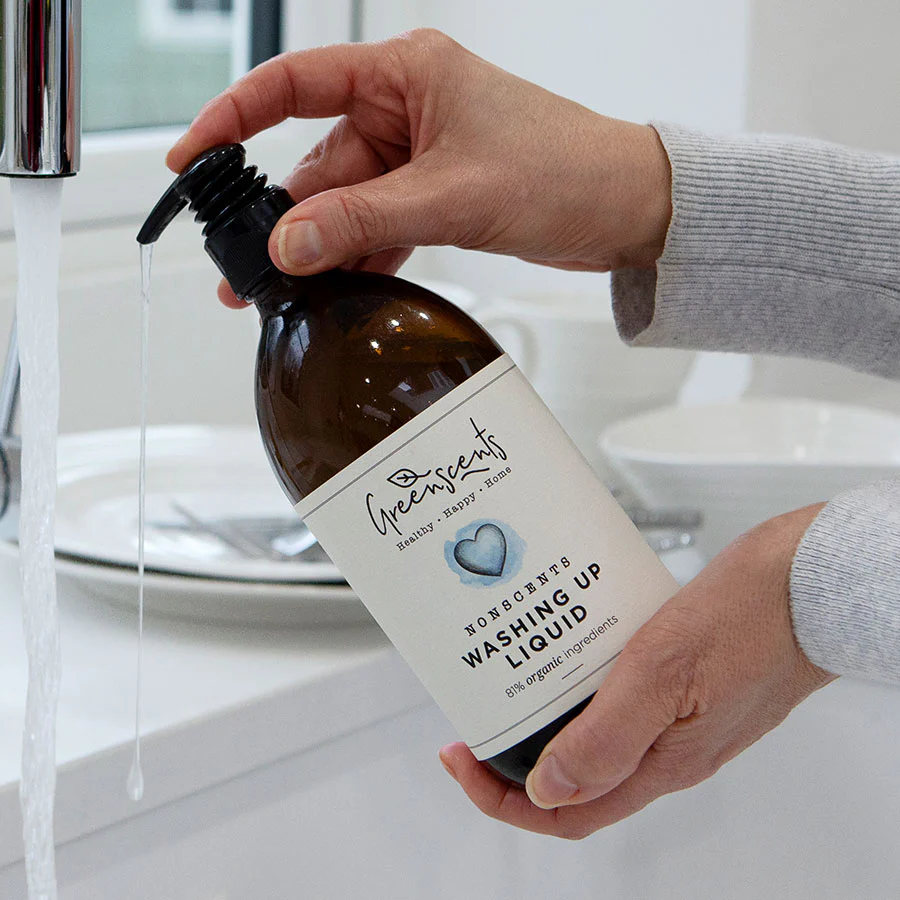
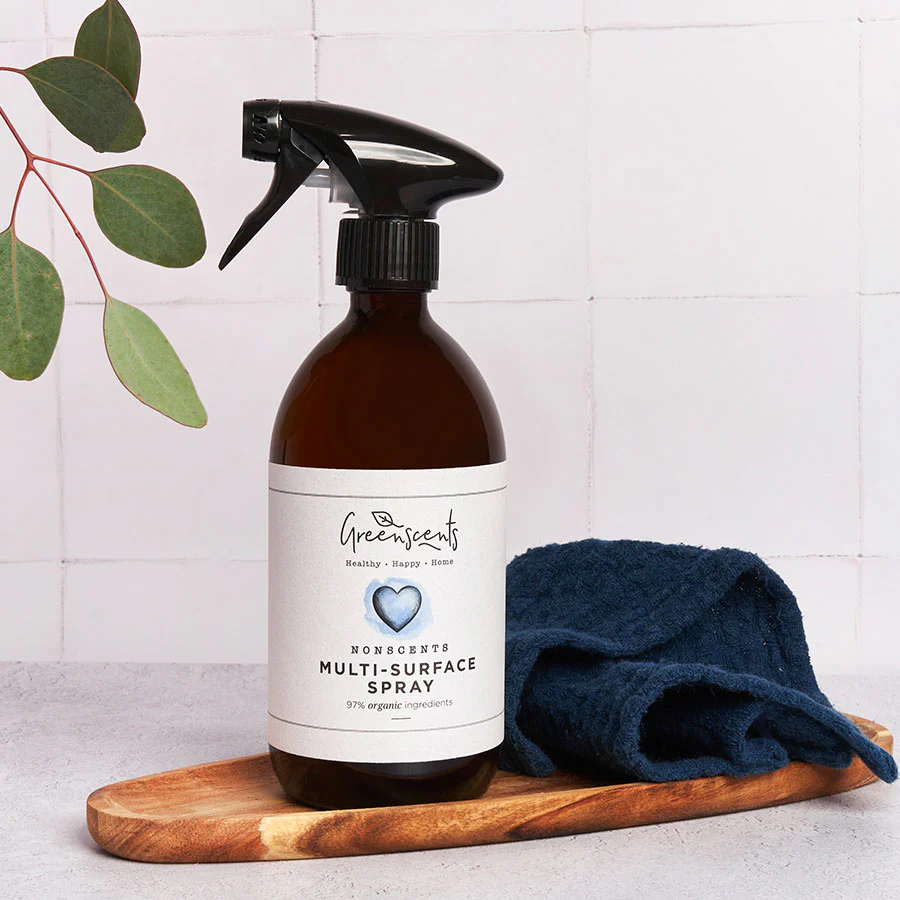
- Keep surface areas clean with plastic-free sponges and biodegradable dish wash (unscented for pregnancy/nursing and baby/pet bowls).
- Keep food stored in fridge/freezers at recommended temperatures (with labels and dates, for up to three months). Thaw frozen foods overnight before cooking, don’t reheat food more than once.
- Store opened tins of food in airtight containers.
- Cook only what you need (don’t eat cooked rice after 24 hours).
- Cut cantaloupe melon just before eating with a clean knife, clean underneath rind, and store away from other foods (due to slight risk of salmonella).
- Avoid eating food or drink past its ‘use-by-date’.
- Food Standards Agency offers online food training courses.
Tips for food allergies and medications
You can order (for you or a child) a simple allergy card to inform others of allergies (includes emergency contact numbers, and let servers know if you carry an EpiPen, and how to use it).
Check medication inserts, as some (like heart medications) say not to eat grapefruit or too many leafy greens (due to interaction with vitamin K). Same for oxalates (like rhubarb). Others can’t eat some ‘superfoods’ like spirulina.
Foods to avoid when pregnant or nursing
Pregnant and breastfeeding women are advised to wash soil off salads and vegetables. Greenscents Fruit & Veg Wash helps reduce exposure to listeria, E.coli and salmonella.
It’s safer to be vegan when pregnant as you naturally avoid many of the banned foods including raw meat, liver and cold cuts (salami, prosciutto, pepperoni), game meats (goose, partridge, pheasant), raw or partially cooked eggs and raw fish). Plant-based foods to also avoid include:
- Alcohol & caffeine
- Some herb teas (check labels)
- All pâté (including vegan pâté, due to listeria risk)
- Liquorice & liquorice root
- Too much ginger (contracts uterus for early labour)
Avoid choking hazards
Choking hazards should be avoided for children and people with swallowing difficulties (and allergies). Also keep small toys off the kitchen floor, where toddlers and pets could find them. Download this e-book on vegetarian textured foods for hospitals and nursing homes.
Learn how to help someone who is choking.
Again, by going plant-based you naturally avoid some choking hazard foods like steak, bacon, skin/bone/gristle. Other plant-based choking hazards to avoid for certain people are:
- Nuts, seeds & nut/seed butters
- Dry bread, crackers & croutons
- Crumbly foods (pies & biscuits)
- Peas, grapes, cherry tomatoes, cherries (even sliced)
- Carrot Sticks
- Vegan sausages (slice lengthwise & again, for older children)
- Foods with seeds (raspberries etc)
- Boiled sweets
- Sticky foods (some vegan cheese, marshmallow, mochi)
- Stringy foods (beans, rhubarb)
- Floppy foods (lettuce, cucumber, spinach)
- Chia seeds (mix with water first, if using)
Foods to avoid near animal friends
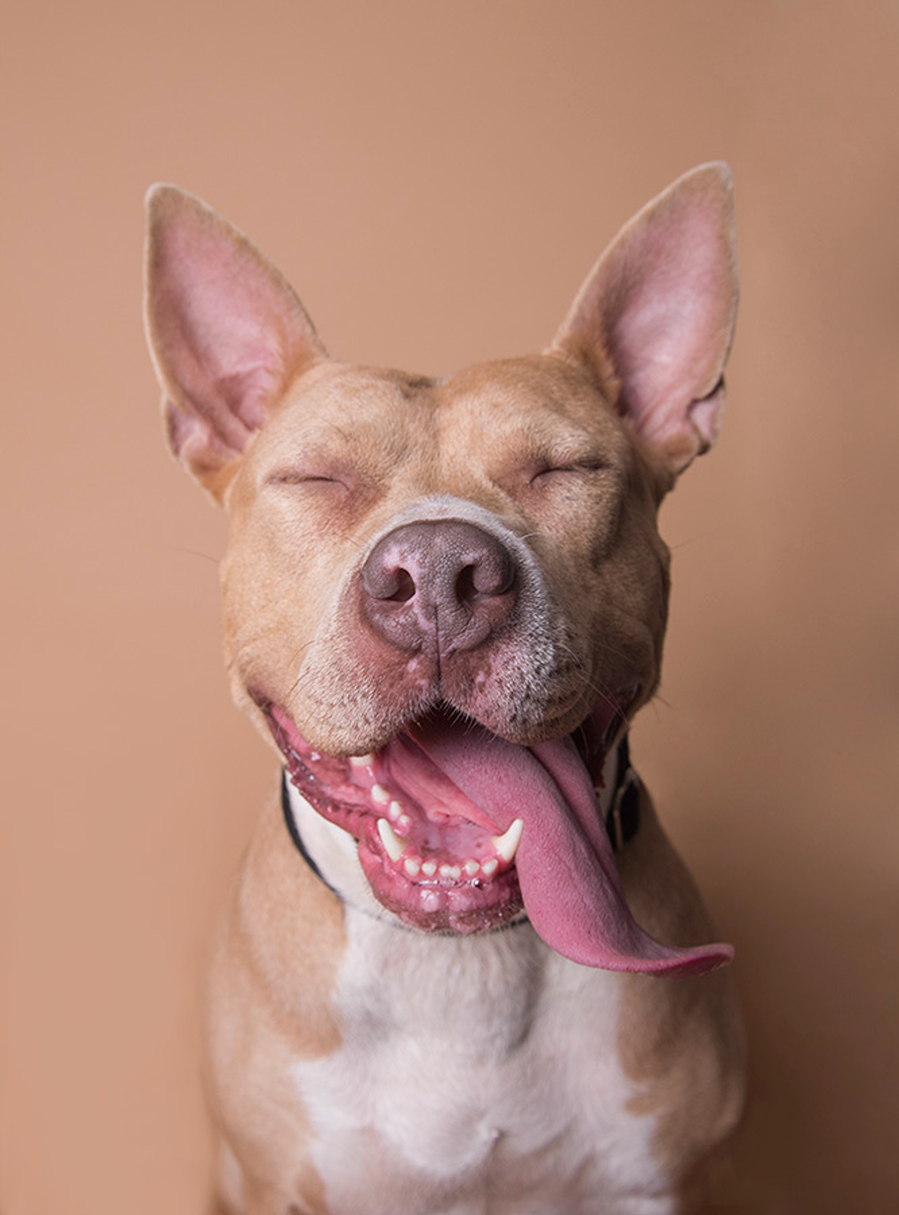
Learn more on choosing better pet food.
- Use ceramic (harder to knock over) or stainless steel bowls (wash and rinse daily). Rather than raised-bowls (which can increase risk of bloat in big-chested, old and overweight dogs), encourage slower eating. Don’t let dogs run or take walks for at least one hour after eating (or after car travel).
- If you feed your dogs bones, know that cooked bones can choke, but not all dogs are safe with raw bones either. If you feed them, ask your vet about the safest choices (antler chews are not recommended, as they can break teeth). Pop bones in the freezer for a couple of days before eating, and ensure they are from a reputable source to reduce risk of parasites and salmonella. Always supervise dogs gnawing at bones, remove once it starts to disintegrate or get small, and know that some dogs get territorial around bones.
‘Human foods’ to keep away from pets include:
- Cooked bones (can choke)
- Chocolate (including white chocolate) & caffeine
- Raw eggs & fish (raw salmon has a fatal parasite)
- Alliums (garlic, onion, shallots, leeks, chives)
- All citrus fruits & dried fruits
- Mushrooms & avocado
- Fruit pips & seeds (contain natural cyanide)
- Faux Meats (due to onion, garlic, salt) & jackfruit
- Raw bread dough (can expand in the stomach)
- Corn-on-the-cob (choking hazard)
- Spices (esp. nutmeg & mace)
- Most nuts (esp. macadamia) & seeds
- Xylitol (a sweetener, if used)
Keep dogs away from seaweed fronds at the beach, these expand in the stomach as they dry. Read more on how to keep dogs safe at the seaside.
Grow organic food in pet-friendly gardens (away from toxic plants, mulch and other hazards). For indoor plants, avoid facing foliage to outdoor gardens, to prevent birds flying into windows).
For Dog’s Sake is a lovely illustrated book of tips which includes info on toxic foods and plants to avoid, with an illustrated first aid guide. It’s out of print in some places. So if ordering from abroad, get a free gift with each order.
Don’t cook near domestic birds
- Most non-stick pans are made with PFOA (a chemical that ends up in our oceans). You can buy non-toxic alternatives, but even if companies say the opposite, all cooking fumes are dangerous around birds.
- Most caged birds are likely happier in outdoor aviaries anyway, where they can at least fly and enjoy company of other birds.