Clean Streets, Green Planet: Rid the World of Street Litter
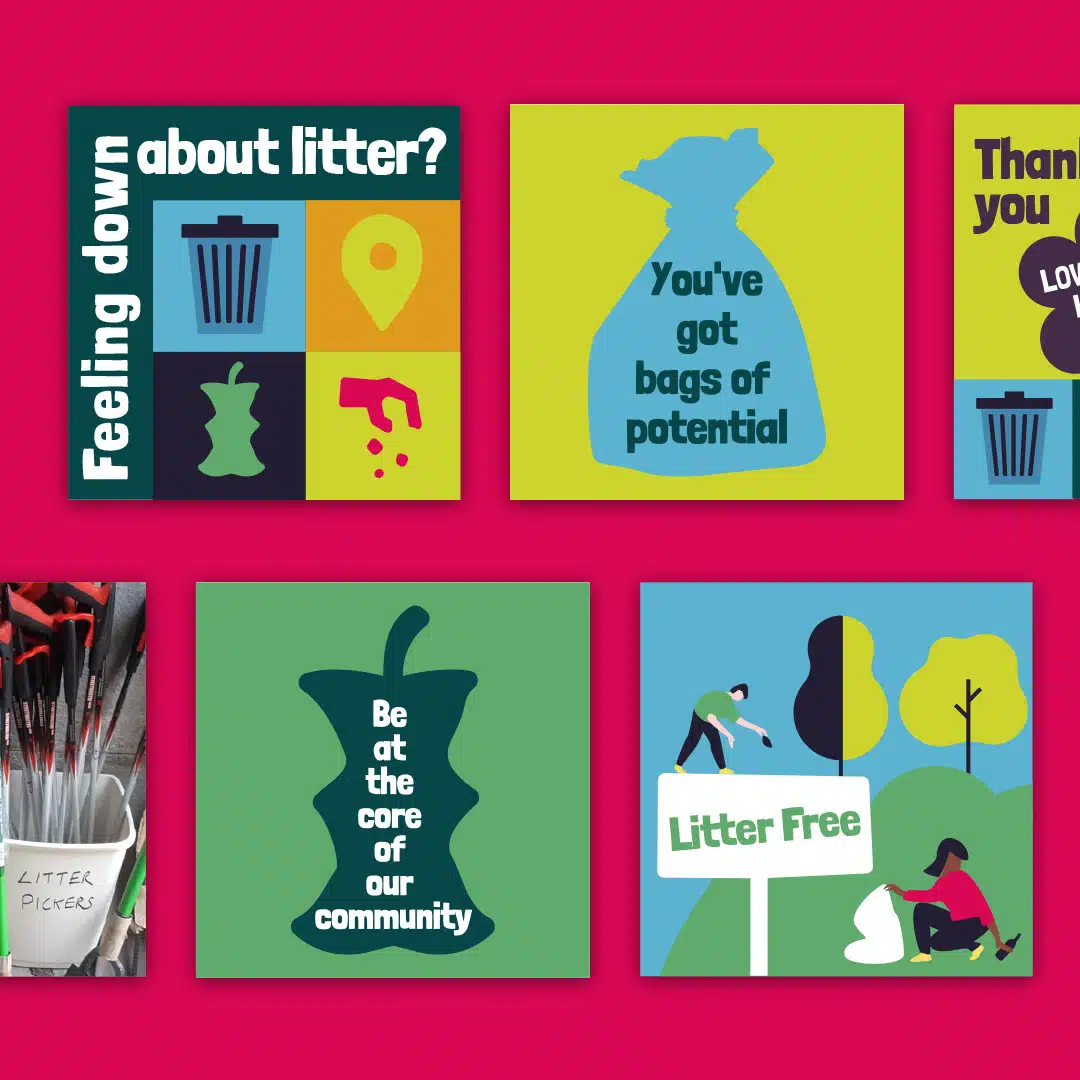
If you’re a vegan (or going that way), it’s likely you’re also an environmentalist. And just as damaging to our planet as eating animal products, is the worldwide litter crisis. Since the invention of plastic (made from oil), most places struggle with thrown away single-use plastic, fast food litter or crisp and sweet packets.
A wonderful way to help is to get involved in community litter clean-ups. But of course this is quite disheartening, if your streets are soon covered in trash again. So it also pays to look at solutions, to prevent people littering at source. This also keeps children, pets and wildlife safe from plastic waste and broken glass.
Did you know that people never drop litter in Japan? Even in areas with no litter bins, it’s the culture to never cause work for other people to clear it up. People even wash the pavements with water, if their dog poops!
Report environmental crime (and illegal fishing) at Crimestoppers (anonymous).
Don’t ‘wishcycle!
This is the name given for when people get confused by all the different recycling rules and just ‘pop it in the recycling bin’, to hope for the best. But today most sorting is done by machines, so wishcycling can contaminate a whole batch, and prevent it from being recycled. If in doubt, just bin it.
How to report litter
No matter who dropped it, councils are responsible for clearing litter on public land (report to Fix My Street). On private land, they can litter abatement orders (and issues fines if not cleared).
Neat Streets Free Litter Toolkit
Neat Streets Litter Toolkit is free to download for volunteers and councils, from the wonderful folks at Hubbub. It includes info on why people drop litter (and how to stop them – finger-wagging apparently increases littering by 10%). And the best inventions to keep communities litter-free (including its own range of snazzy colourful bins). It also has free resources to stop roadside litter.
Use personal ashtrays to prevent cigarette litter
Cigarette litter is easily solved by carrying a pocket ashtray which immediately extinguishes butts to prevent fires and wildfires. Shops can add advertising to pay for them. Buy from:
- TakeTray (Switzerland)
- Pocket Ashtray (Denmark)
- USA
How to reduce gum litter
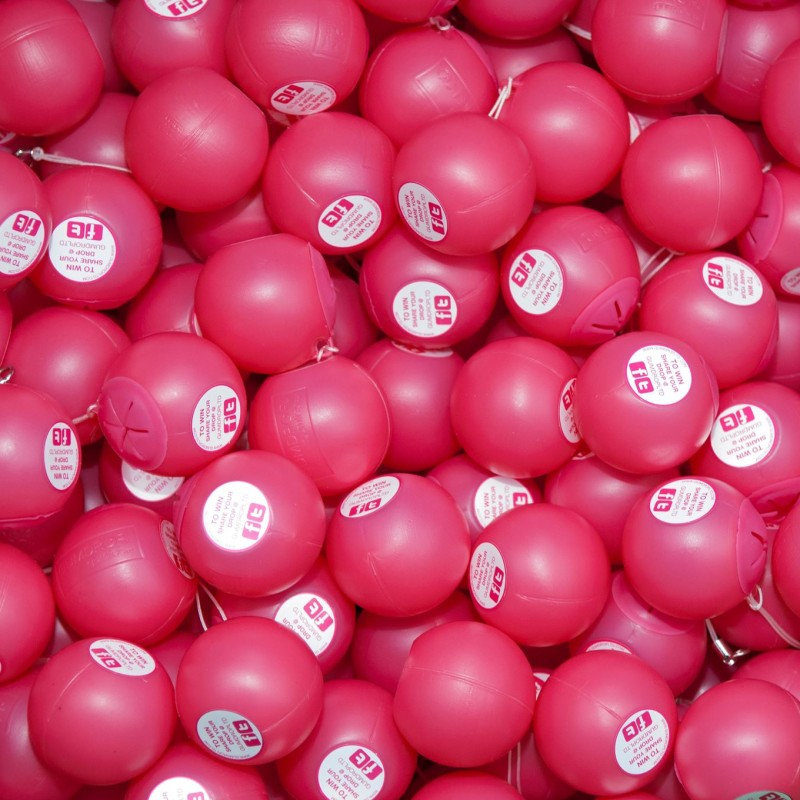
Chewing gum usually contains pet-toxic xylitol, so it’s important to remove gum litter. Eat organic mints instead! Councils and school can invest in a gum bin (includes personal version) then gum is sent off to recycle into industrial piping.
How to reduce road litter
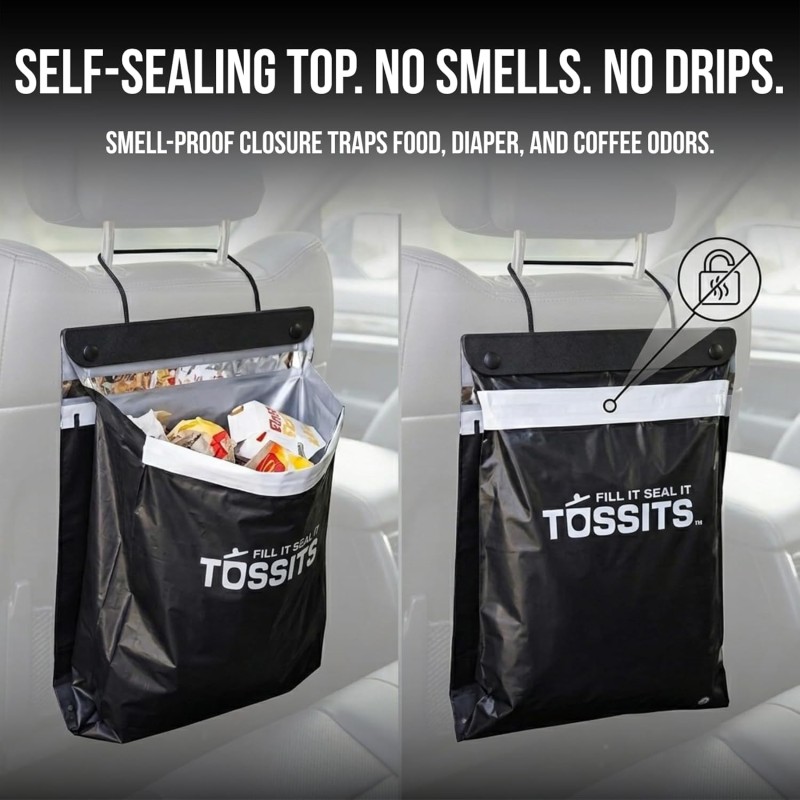
Never drop litter from your car, as this attracts scavenging creatures. Use a car trash bag to keep litter with you until you get home.
One farmer wants fast food receipts to include vehicle registrations. So if people throw packaging out the window, they get fined, just like for speeding.
Cleanup UK wants highways agencies to change their policy. Presently, many mow grass verges BEFORE picking up glass and other litter. It’s obvious that the shards of glass need to be removed, before mowing grass and sending shards of glass everwhere. Report glass or any litter at roadsides to National Highways.
Deposit return schemes prevent litter
What would help is if governments followed most of mainland Europe and brought in deposit return schemes. These are when you return bottles and cans to ‘reverse vending machines’ and get money back for recycling. In countries that have them, there are hardly any littered containers on the street.
Start a can recycling scheme to raise money for local animal shelters. You could collect all the cans, and raise thousands of pounds or dollars!
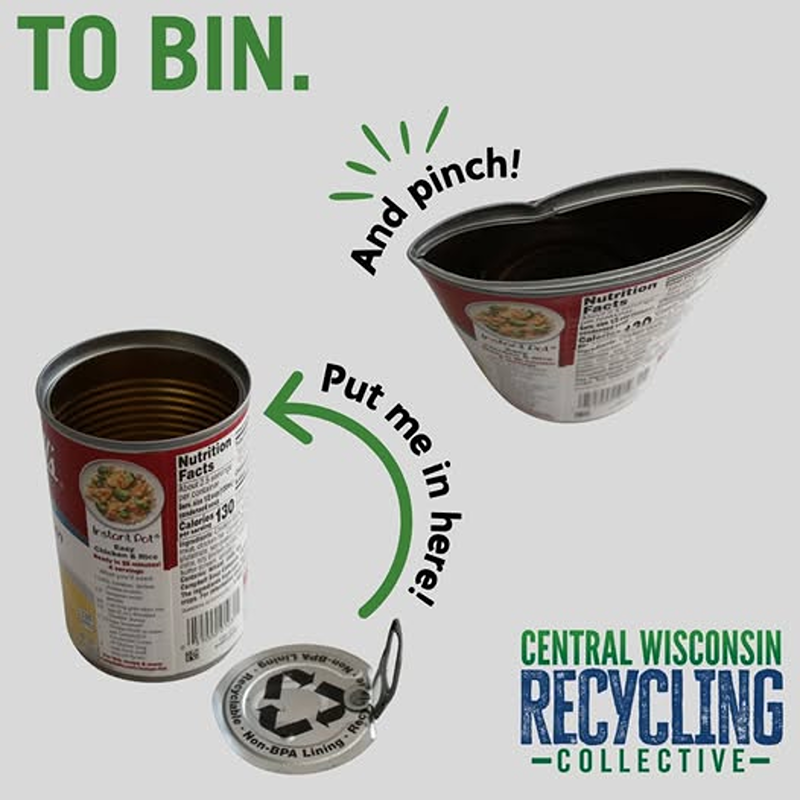
Before recycling tins, rinse/remove lids (or pop ring-pulls over holes) then step on the can to ‘pinch’ inner rims together, to stop wildlife getting trapped.
Recycling glass litter
A study by Keep Britain Tidy found that 80% of littered bottles and nearly 5% of littered cans, contain remains of tiny mammals (shrews, bank voles, wood mice).
Most glass bottles and jars can be recycled, give them a rinse to avoid tempting wildlife and leave on metal tops and labels, but remove and recycle plastic tops. For wine bottles, corks are too dense to compost and choking hazards, so recycle at off licenses, or send off in bulk to Recorked).
- Recycle medicine bottles at pharmacies, never flush medicines down the loo.
- Not-empty scent bottles (and nail polish) needs to go to hazardous waste.
Glass items that must be (like broken glass) wrapped in several layers of thick newspaper or cardboard (then binned) include:
- Drinking glasses, glass straws and Pyrex jugs/ovenware
- Mirrors, window panes and architectural glass
- Old lightbulbs (modern LED ones can be recycled in stores).
If an LED bulb smashes, evacuate the room and leave windows open for at least 15 minutes, and turn off central heating (or air conditioning) to stop vapour from spreading. Do not use a vacuum cleaner, as this scatters mercury dust into the air.
Wear gloves to scoop shards with stiff cardboard, then use sticky tape to pick up fragments, wipe area with damp paper towel.