Overwhelmed and Underfunded: Help Wildlife Rescues
Across the world, heroic volunteers at wildlife rescues are helping all the creatures that need help, often with no support other than donations and pairs of willing hands. Here are some tips to help your local wildlife rescues, plus information on how to help a couple of major charities:
Preventive help for wildlife rescues
Nearly all casualties are due to a few reasons (litter, road traffic etc). So here are some common sense guidlines on how to help prevent many casualties:
Avoid ‘rescuing’ creatures that have parents nearby, also read about safe havens for garden birds and how to stop birds flying into windows.
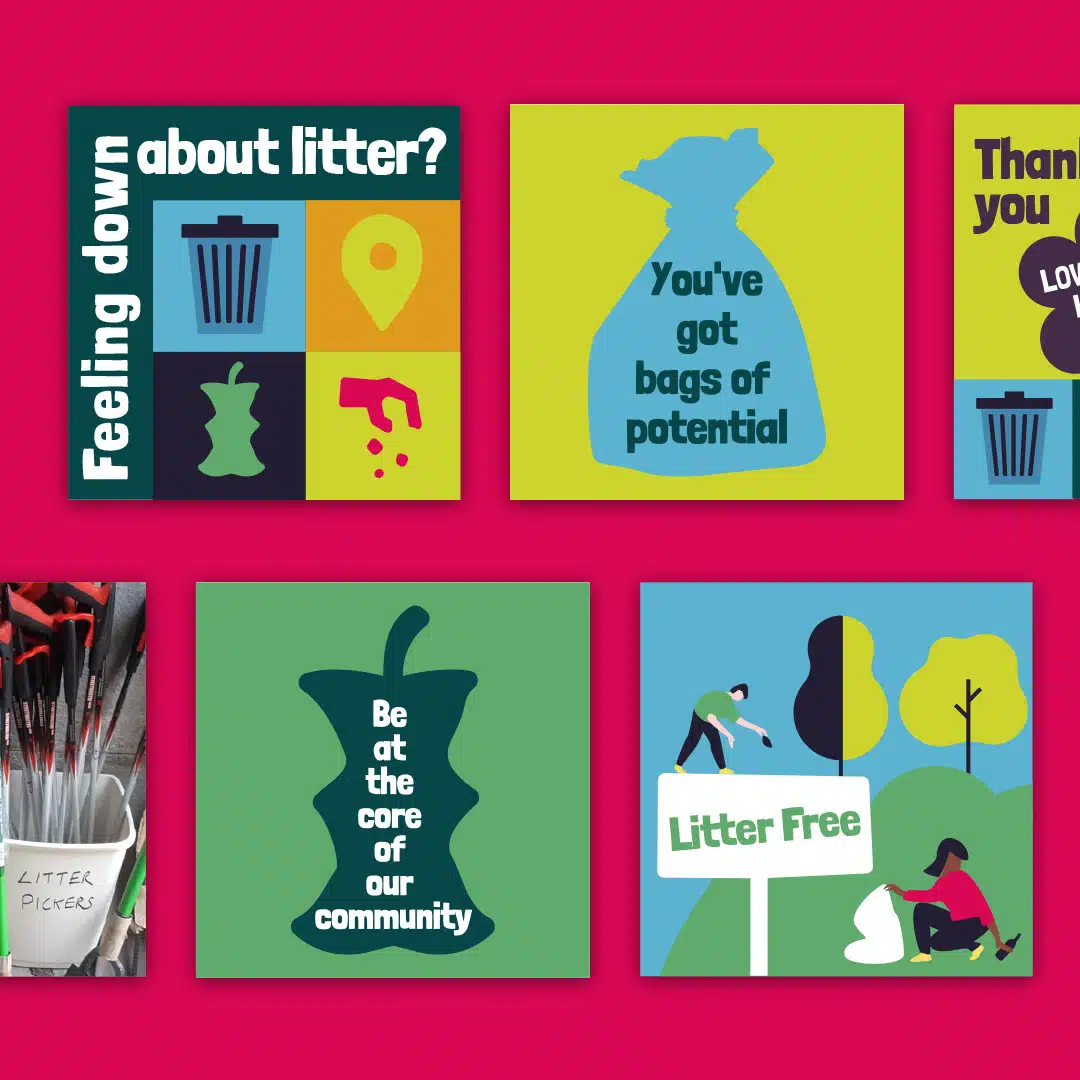
- Don’t drop litter (use car trash bags, personal ashtrays and Monomaster (to store fishing line until you find a recycling bin).
- In gardens, store rotary washing lines and football nets away, when not in use. Practice no-dig gardening and use non-toxic humane slug/snail deterrents. Read more on wildlife friendly gardens.
- Ensure wildlife ponds have sloping sides (free from netting) and water bowls have shallow sides (add a small plank or stones, as bee/butterfly platforms). Cover pools when not in use, and use FrogLog and Critter Skimmer.
- Check under sheds/outbuildings/compost bins before moving/demolition (especially near end of hibernation). Read building/planning info to help owls and bats. Town planners can help by not planting flowers in railings.
- Keep to speed limits, be alert at dawn/dusk, use full beam at night (dipped lights are best in fog, rain or snow, or else light could reflect back and startle). Read more on making roads safer for wildlife.
Simon’s Last Wish (Wildlife Aid hospital)

Wildlife Aid (Surrey) has helped hundreds of thousands of creatures, founded by a former city broker who sadly died due to aggressive cancer in June 2024. Shortly before his death, his daughter and others launched a campaign to renovate this hospital and protect surrounding land.
The easiest way to help is to set up an account at easyfundraising and set Wildlife Aid as your cause. Then each time you buy something from participating stores (or services), a portion goes to them (at no cost to you, and loyalty points are not affected).
You can donate at Just Giving to reach the target of £4 million. Or select ‘Wildlife Aid Foundation’ at Charities Aid Foundation and tick the box, to donate anonymously. Either way, tick the Gift Aid Box.
The centre (which has over 300 volunteers) also offers placement for vet students. If you live within a 45-minute drive from Leatherhead and have suitable land, they welcome hedgehog release sites. These must have suitable cover and food, shallow sloping water sources and no chain linked fences (and be unsecure about for hogs to roam up to an acre at night).
Need help? If within the catchment area, contact Wildlife Aid with a full description, and ideally send a photo or video via email or app, for them to assess the situation.
Tiggywinkles (buy virtual gifts for wildlife)

Tiggywinkles (Buckinghamshire) runs a nationwide emergency phone helpline and has treated almost 500,000 patients since opening. All are treated free of charge and released back to the wild. It not, they are released near the site to live in nature.
Founded by a couple with no medical knowledge, the co-founder eventually wrote a wildlife rescue manual, that is now used by vets. It also runs training courses for volunteers, plus diplomas for wildlife rescuers, vets and vet nurses.
Raise funds again by signing up with easyfundraising (nominate Tiggywinkles, then anytime you buy things with shops or services, it donates a portion of profits, at no cost to you). Or donate anonymously via Charities Aid Foundation.
You can also buy a virtual gift to help Tiggywinkles. These include a link to videos to show your gift has helped:
- An x-ray for an injured hedgehog. Around two thirds of the 3000 hedgehogs at the centre need an x-ray to check for broken bones, abdominal trauma or bowel abnormalities, so vets know how to treat them.
- Treat a hedgehog with balloon syndrome (the cause is unknown but many hogs suffer from this, so they can’t curl up, making them vulnerable to predators). The treatment involves extracting air from the body, and a course of antibiotics, along with fluids and other treatments.
- Feed a fox cub – this covers the cost of feeding sick, injured and orphaned cubs, starting on milk and then proper food, to make them strong enough to be released to the wild.
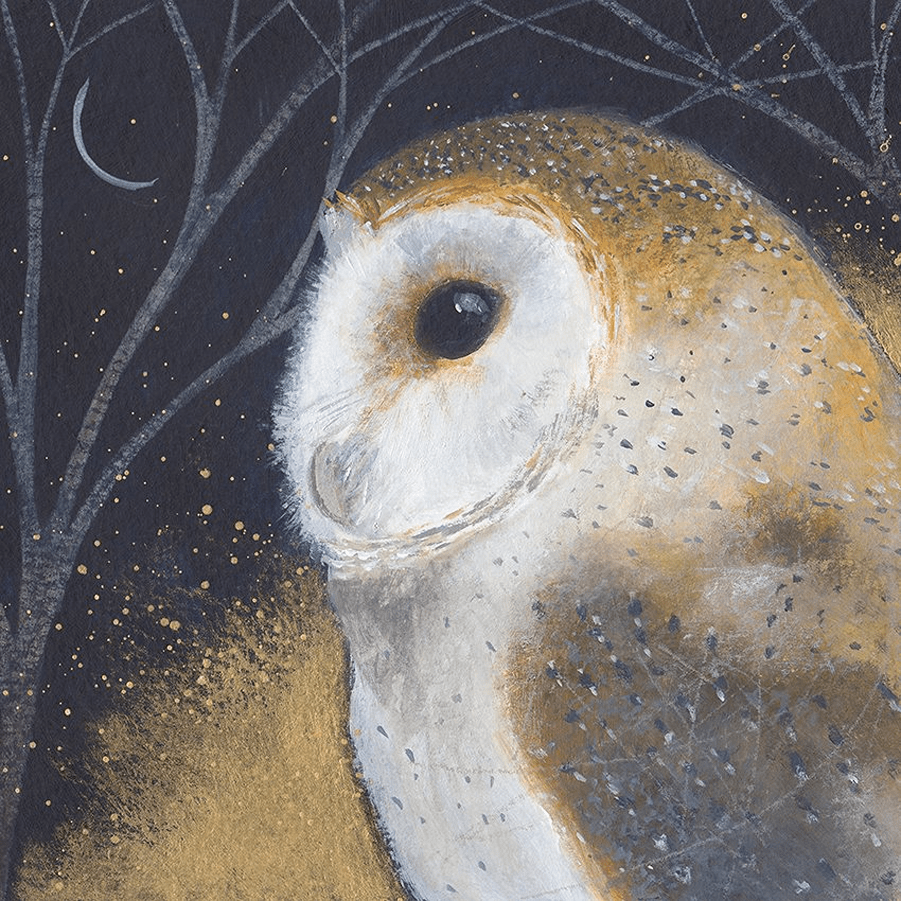
- Mend a bird of prey’s injured wing (over 200 injured birds including owls, red kites and kestrels are treated yearly at Tiggywinkles, half with wing injuries. It’s really important to mend these properly, as they need perfect wings to fly silently at night, so prey can’t hear them.
- Raven enrichment – these are some of the world’s most intelligent birds, so while they are in the wildlife hospital, this gift pays for enrichment activities, to stop them getting bored.
- Dental treatment for hedgehogs (this pays for specialist treatment that can scale and polish hedgehog teeth, to prevent pain that can stop them from eating, if untreated).
- Lungworm treatment for hedgehogs and foxes (many creatures arrive with this, which can kill if not treated). This gift pays for a quick faecal sample to verify infestation, then treatment. You can also buy gapeworm treatment for owls (a throat parasite that can affect eating, drinking and breathing).
- Deer bandages (and for other creatures) to help those who arrive with limb injuries due to road collisions, fence entrapments or dog bites.
- You can even buy a bucket of maggots, to feed the 400 baby birds who cry out all day to be fed every 15 minutes from dawn to dust – they get through seven buckets a week!
Who to Call (when wildlife needs help)
Keep a large box with punched holes in your car boot with towels (no tassels) and thick gloves. Call wildlife rescues and rehabilitators (vets can also take in casualties, you don’t have to pay). For creatures needing specialist advice:
- Tiggywinkles or Wildlife Aid (all creatures).
- British Hedgehog Preservation Society
- Bat Conservation Society
- Raptor Rescue (for birds of prey)
- Amphibian & Reptile Conservation
- British Marine Life Rescue
- London wildlife rescue help
For injured deer and badgers, also call the RSPCA and police (trained marksmen can humanely shoot suffering creatures, if there is a long wait). Don’t move creatures yourself, most are strong and could run off with injuries. Instead, cover with a blanket and keep quiet, until help arrives.
Tips to help wildlife rescues
- Offer practical skills (from volunteering to transport).
- Some welcome old newspapers (not glossy magazines) for lining cages and temporary bedding.
- Some accept leftover medical supplies (not expired/opened) like bandages, new syringes and disposable gloves.
- Donate anonymously through Charities Aid Foundation, add Gift Aid if you’re a UK taxpayer.
- easyfundraising is another option (just sign up, then shops and services donate a portion of profits from each sale, to your chosen cause). Loyalty points are not affected.
- Donate books: How to Hold Animals or rescue manuals: Practical Wildlife Care and Wildlife Search & Rescue.
- Donate an Armor Hand Protector (created by a vet, after an angry patient bit her! You can wash these to prevent infection with a microfibre filter.