Humane Slug and Snail Deterrents That Work
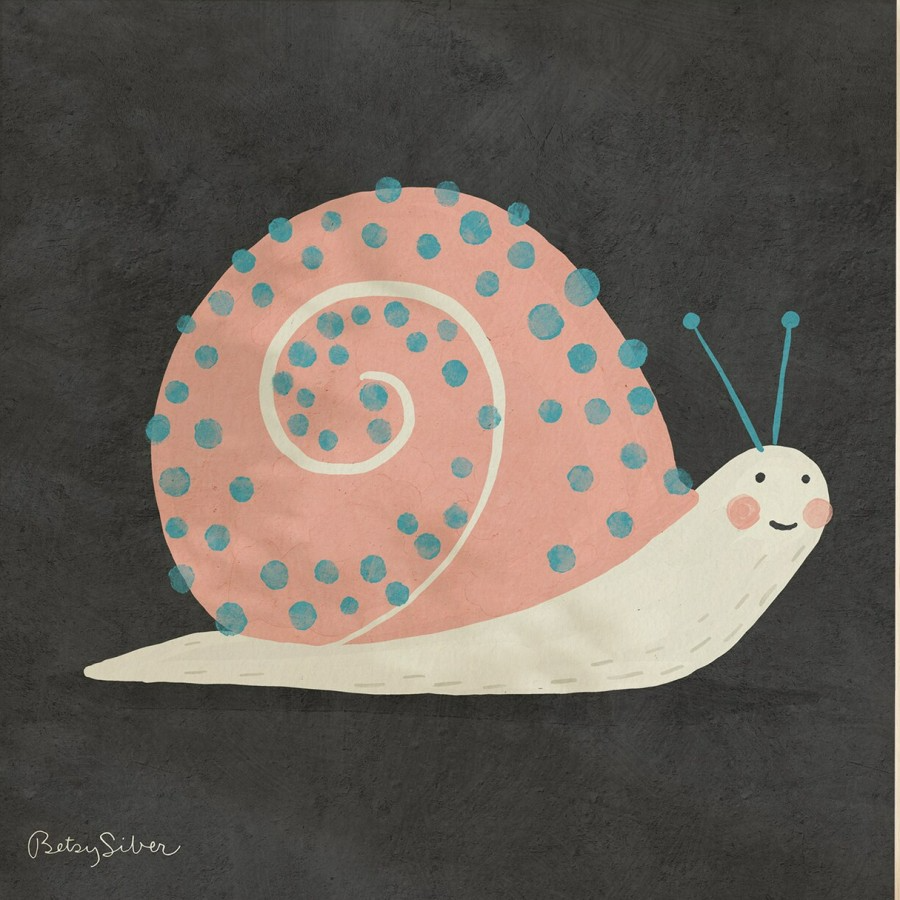
Our slimy friends are quite the charm, once you know them! The world’s slowest creatures have muscular ‘feet’ to move using tentacles (freshwater/marine snails breathe through gills).
Snails live on dead bark, herbs, fungi, algae and animal scat. They lay up to 100 eggs (only half will hatch). Slugs are similar, they simply have no shells (so live underground, and only come out when it rains – they hibernate in winter).
Slug pellets are unsafe near pets (including iron phosphate ones that resemble kibble). They also cause awful deaths for slugs, snails and wildlife that eat them (birds, frogs, hedgehogs). And poison garden soil.
Don’t pour slug pellets down drains. Instead take them to hazardous waste (ask about council collection services, if you don’t drive).
Keep dogs away from slugs, snails and amphibians as they could get lungworm (symptoms can take weeks to appear: coughing, lethargy, abnormal breathing and bleeding). It’s a medical emergency.
Change water in outdoor (ceramic) bowls regularly to help avoid lungworm. Read more on pet-friendly gardens.
Avoid ‘natural’ harmful deterrents
Many books recommend ‘natural ways to deter slugs and snails’. These may be well-meaning, but most don’t work and could cause harm:
- Broken glass can harm birds, wildlife, pets and children
- Spices, coffee and essential can harm pets and wildlife
Work with nature (garden organically)
Gloucestershire Wildlife Trust says that slugs are eaten by beetles, slow worms, frogs, toads and hedgehogs. Snails are eaten by hedgehogs, toads, blackbirds, thrush birds, mice, centipedes and even glow warm larvae. Badgers and foxes also eat slugs and snails.
The Good Slug Guide is from an expert or 30 years, who says that the best solution is simply to live with slugs and snails (it’s a myth that hedgehogs and frogs will take care of everything, as they often eat beetles that eat slugs!)
This author says that rather than killing slugs and snails or even using ‘deterrents’, the best solution is as little disturbance to the natural world as possible. Namely leaving nature’s predators alone in an organic environment, and using no-dig gardening, to avoid disturbing the soil.
He says that the average garden has around 35,000 slugs, so no ‘control method’ will ever work. He also says that some slugs eat other slugs, so you end up killing slugs that would do the work for you. And although slugs are active after rain, they don’t like it. So will hide from you anyway.
Learn more on how to create safe havens for:
- Garden birds
- Hedgehogs
- Frogs (ensure ponds have sloping sides and avoid netting).
Molluskit (a physical barrier invention)
Molluskit is a barrier made mostly from recycled material, invented by a ‘garage tinkerer’ who loves earthworms! The ‘comb design’ clicks together to stop access to plants above ground (and blocks access to root/bulb systems).
It’s tested by Scotland’s Rural College to be 86% effective, as 95% of a garden’s slugs and snails are underground. For larger gardens and allotments, buy multiple kits to fit together.
Grazers G2 (nontoxic liquid deterrent)
Grazers G2 is a mix of plant extracts and calcium (good for plants) that’s applied to plants, to make them unpalatable to slugs and snails. This company makes a similar product to deter cabbage white butterflies and red lily beetles.
The main product is used to make grass unpalatable to wild rabbits and other creatures (so don’t use on grass where pets eat).
Seen a motionless snail?
Snails on walls that look dead are likely in ‘suspended hibernation’. They usually ‘come back to life’ when it rains. Small snails with soft shells are usually okay (the shells harden with age).
For snails with slightly cracked shells
- Pick it up by the body (wash hands before touching pets) and place it in a small ventilated plastic box with air holes, lined with damp paper towels (away from dirt that could get inside the crack and cause infection).
- Mist the container daily (with bottled or filtered water) and ensure no debris is blocking the breathing hole near the shell opening.
- Snails need calcium to rebuild calcium, so place washed eggshells or cuttlefish bone next to the snail. And easy-to-digest moisture-rich foods like sliced cucumber, lettuce or cucumber (courgette).
- Once you see a thin translucent film, the new shell will harden over a week or two. Once solid, return the snail to a shady damp garden spot.
For snails with completely smashed shells
- If the shell is badly smashed and liquids are oozing out, the snail is not able to recover, and will die slowly of dehydration over several days.
- Experts say it’s kinder to give a quick heavy stomp to immediately euthanise the creature, to stop further suffering.
- It’s difficult to do, but important that you do this quickly and with enough force, to ensure the creature does not feel anything (a partial crush will make things worse). Use a flat-soled shoe, heavy brick or large stone.
A Slow Passion (a woman who loves snails!)
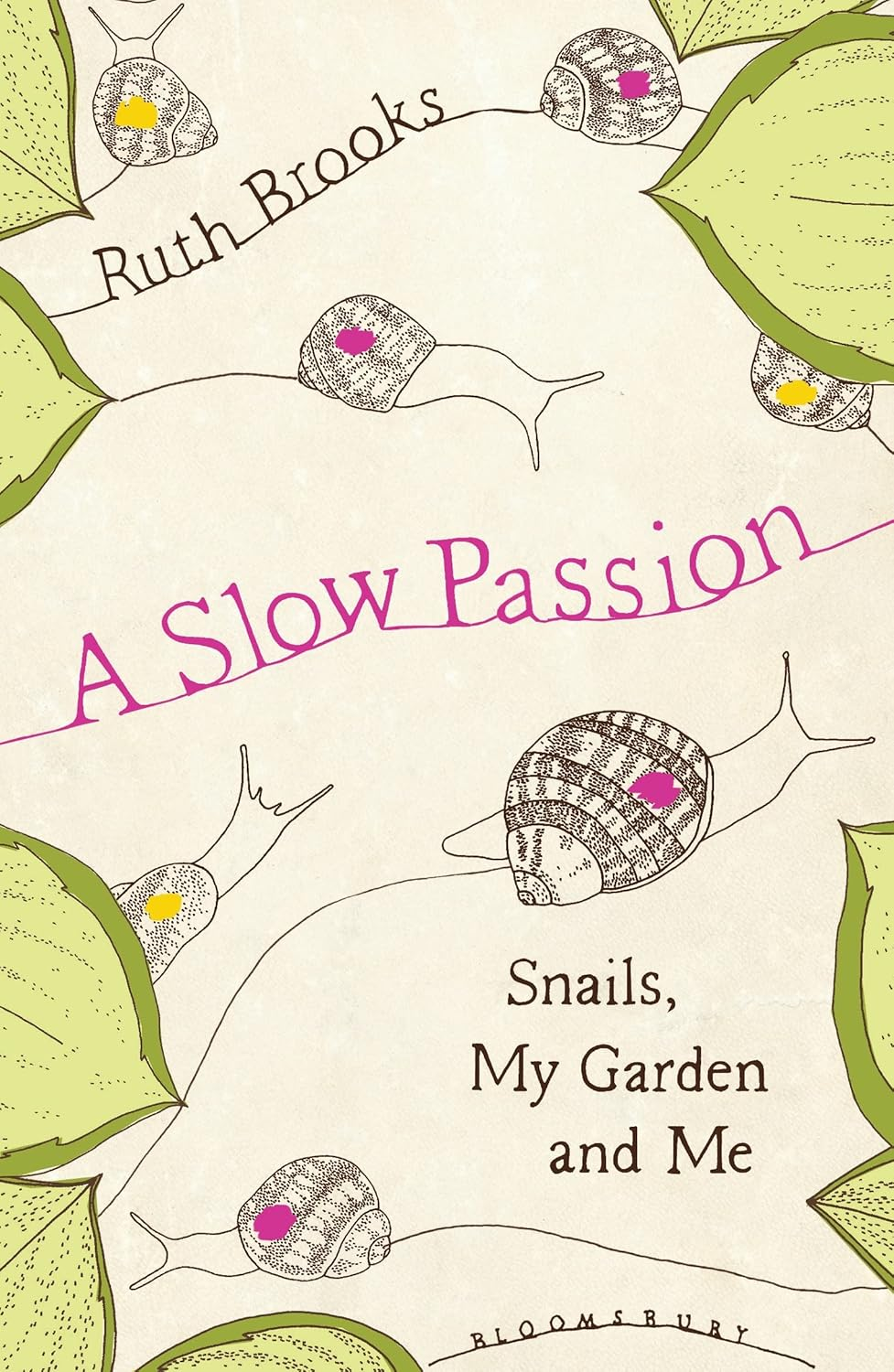
Grandmother Ruth Brooks won a BBC Radio 4 competition as England’s top amateur scientist, for her discovery on homing instincts of snails. Her ruthless vendetta against snails turned into a journey of wonder, as ‘dumped snails’ in a far-off wood would return home!
She eventually gave up, and instead read up on the surprisingly romantic life of snails. And realised that it’s good to enjoy the slow life, and accept that snails are here to stay!